The Potato People
Potato
The anonymous Founder & Visionary of Potato Co, leading all major initiatives. The creator of the site.🥔🥔🥔🥔🥔 Writes all the code for Potato-co, and fixes all the bugs.
Pototo
The also anonymous LPV (Lead Potato Visionary), responsible for setting the overall direction and vision for the Potato Co website.
Cat
The also also anonymous PBF (Potato Bug Finder), responsible for finding and reporting bugs in the Potato Co website.
Frank the Rock
Community person, connecting Potato Co with the wider potato community. Just your everyday rock.
Nerd
LPS (Lead Potato Strategist), big math nerd (and science nerd). Executive director of Potato Math.
Zygentoma
(Scientific name for Silverfish) Lead Potato Entomologist.
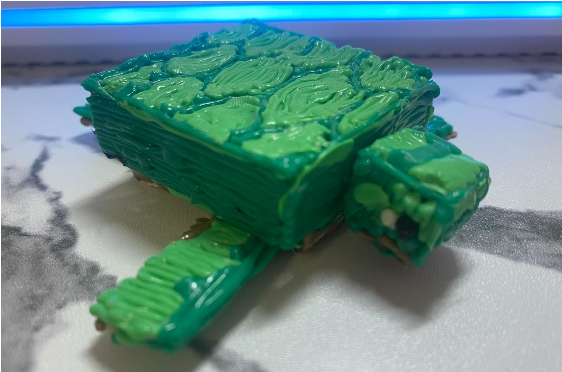
Jerry
It's Jerry the sea turtle!
Fluffy
Cat's pet cat

Tape
Tape is a flexible, elongated strip of material designed primarily for binding, fastening, sealing, covering, reinforcing, marking, measuring, insulating, decorating, or repairing objects and surfaces. It typically consists of a backing material,such as paper, plastic film, cloth, foil, foam, or fabric and may or may not include an adhesive layer. The defining characteristics of tape are its narrow width relative to its length, its pliability, and its ability to be applied in continuous strips for functional or structural purposes. In its most common modern form, tape refers to adhesive tape, which incorporates a pressure-sensitive adhesive (PSA) coated onto one side of a flexible backing. This adhesive allows the tape to bond to surfaces when pressure is applied, without requiring heat, water, or solvents. Adhesive tapes are engineered to adhere to a wide variety of materials, including wood, metal, plastic, glass, fabric, and paper, and can be formulated for temporary, semi-permanent, or permanent bonding applications. The adhesive chemistry may be rubber-based, acrylic-based, or silicone-based, each selected depending on desired properties such as temperature resistance, moisture tolerance, ultraviolet stability, removability, or strength. Beyond adhesive forms, tape also refers to non-adhesive strips used for specific technical or structural purposes. For example, measuring tape is a flexible ruler marked with units of length, enabling measurement of curved or irregular surfaces. Electrical tape is designed to insulate wires and prevent electrical conduction. Medical tape secures bandages or dressings to skin while minimizing irritation. Duct tape, masking tape, painters tape, double-sided tape, packaging tape, and athletic tape are all specialized variations engineered for particular tasks, environments, and stress conditions. Structurally, tape may consist of multiple layers: a backing layer providing mechanical strength, a primer layer to improve adhesion between backing and adhesive, the adhesive layer itself, and sometimes a release liner to protect the adhesive before application. Performance characteristics of tape are evaluated through properties such as tensile strength, elongation, peel adhesion, shear resistance, tack, thickness, and environmental durability. These properties determine whether a tape can withstand stretching, load-bearing stress, moisture exposure, temperature extremes, or prolonged use. Historically, the development of tape evolved alongside advancements in materials science. Early forms of binding strips included cloth ribbons and paper strips used for wrapping or fastening. The invention of pressure-sensitive adhesive tape in the 20th century revolutionized packaging, manufacturing, medicine, construction, and everyday household tasks. Modern tapes may incorporate advanced polymers, reinforced fibers, metallic foils, or foam cores to achieve high-performance bonding capabilities previously achievable only with mechanical fasteners such as nails, screws, or rivets. Functionally, tape serves both temporary and permanent roles. It can provide a reversible fastening solution that allows removal without significant surface damage, or it can act as a long-term structural bonding method capable of replacing welding or mechanical fastening in industrial applications. In addition to utilitarian functions, tape also has roles in labeling, artistic expression, surface protection, and safety marking, demonstrating its versatility across domestic, commercial, and industrial contexts. In essence, tape is a versatile engineered strip material characterized by flexibility, linear form, and multifunctional application. Whether used to seal a package, measure dimensions, secure wiring, reinforce a joint, protect a surface, or create visual designs, tape represents a practical integration of material science, adhesive chemistry, and mechanical design condensed into a simple yet highly adaptable format.